Managing the Invasive Purple Weed in Lawns


Intro
The presence of invasive purple weed in lawns can be a thorn in the side for many lawn enthusiasts and agricultural professionals alike. It’s not just a mere eyesore; this weed can disrupt the delicate balance of local ecosystems and threaten the health and vitality of your green spaces. Grasping the nuances of its identification, growth patterns, and ecological impacts is integral for anyone keen on maintaining a healthy lawn.
As we delve into this guide, we will provide you with essential knowledge on how to recognize the invasive purple weed, understand its behavior in different environments, and implement effective management strategies. This article, we aim to arm both home gardeners and seasoned agriculturalists with the know-how to address this issue head-on.
With the right information, we can transform our approach to lawn care and develop a deeper appreciation for our surrounding ecosystems, ensuring they remain vibrant and robust. Let's get started.
Prelude to Invasive Weeds
The topic of invasive weeds is both urgent and crucial in the context of lawn care and ecological balance. It's not just about aesthetics or property value, but about the very health of local ecosystems. Invasive species, such as the purple weed, can disrupt established plant communities, contend for resources, and even push native flora to the brink. Understanding these plants is the first step toward effective management.
A well-informed public can lead to more effective control strategies and better stewardship of our green spaces. The implications of ignoring invasive species can be significant, from diminished biodiversity to economic burdens on both homeowners and professionals in agriculture. Invasive plants can take over, leaving a significant mark on plant health, environmental sustainability, and even local wildlife. The stakes are high, so knowledge is the name of the game.
Defining Invasive Species
Invasive species are often defined as non-native organisms that, once introduced to a new environment, establish themselves and spread without human help. Their impact can include competition with native plants for sunlight, nutrients, and water, often leading to the decline or extinction of indigenous species. Unlike benign invaders, these weeds can alter habitats, modifying the ecosystem's structure and functioning in potentially harmful ways. They thrive because they tend to lack natural predators in their new environment that might keep them in check.
A classic example is the purple loosestrife. Originally from Europe, it has spread throughout North America, clogging waterways and outcompeting native species. Simply put, these plants don’t play by the local rules, and that is what makes them so troubling.
The Solemn Reality of Weeds
Weeds are more than just an eyesore in gardens and lawns; they represent a complex dilemma. They not only affect our manicured lawns but also haunt agricultural lands, gardens, and natural reserves. The troublesome aspect of such plants is often during peak growths when they seem to sprout out of nowhere. Their opportunistic nature means they can quickly go from benign to malignant.
Many home gardeners shrug them off, thinking they are just part of the landscape, but there’s a deeper reality at play.
- Weeds can harbor pests and diseases. Infestations often follow closely behind.
- They can evade removal. Some of these weeds establish such deep roots, pulling them out is like trying to uproot a stubborn tree.
- Financial burden. Lawn maintenance can become costly if invasive plants are left unchecked, leading to possible long-term damage.
"The more you know about an invasive weed, the better you can prepare to fight against it and protect your green spaces."
For more information about invasive species, you might consider visiting Wikipedia's Invasive Species Page or resources from the United States Geological Survey.
Proper identification and knowledge of invasive species provide the foundation for any effective lawn care strategy.
Characteristics of the Purple Weed
Understanding the characteristics of the purple weed is crucial. This knowledge lays the groundwork for effectively managing its presence in lawns and gardens. The ability to identify this invasive plant and comprehend its unique traits can facilitate targeted control measures. Recognizing how this weed grows, its preferred habitats, and the lifecycle it undergoes can inform decisions that protect local ecosystems and promote healthier lawns.
Botanical Identification
To effectively manage the purple weed, accurate botanical identification is paramount. This plant, often identified by its striking purple flowers, can sometimes be mistaken for native species or other non-invasive flora. It typically features serrated leaves and can grow up to 24 inches tall.
When in bloom, its flowers can attract pollinators, complicating removal efforts. A keen observer will note the way the leaves alternate along the stem and possess a slight fuzziness, which can be a distinguishing factor. Additionally, the stem often exhibits a purplish tint, particularly as the plant matures. Here's what to look for:
- Leaves: Lance-shaped, serrated, and covered with fine hairs.
- Flowers: Tubular, usually appearing in clusters, with a characteristic purple hues.
- Stems: Angular and slightly purplish as the plant ages.
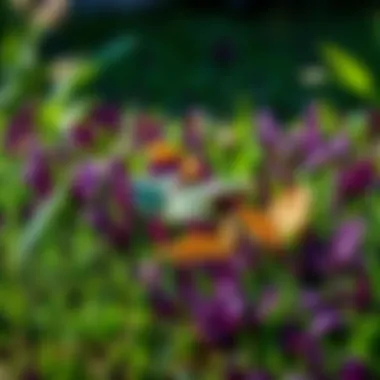

Recognizing these traits ensures that lawn enthusiasts can discern the purple weed from benign plants, thereby preventing inadvertent spread or damage to one's green sanctuary.
Growth Patterns and Life Cycle
The growth patterns and life cycle of the purple weed reveal important aspects about its management. This plant thrives in various conditions, making it quite adaptable.
- Germination: The seeds can germinate in various soil types, often thriving in disturbed areas.
- Seedling Phase: Once germinated, seedlings will push through the soil, establishing roots quickly, which gives them a competitive edge over surrounding vegetation.
- Mature Growth: As it matures, the purple weed undergoes lush growth, generally flourishing from spring to late summer. During this time, it can outcompete grass and other desirable plants, rapidly establishing itself in the lawn.
- Reproductive Phase: It can produce hundreds of seeds, which are easily dispersed by wind, water, and human activity, further extending its reach.
Understanding its growth cycle assists homeowners in timing their management strategies effectively, particularly in the delicate stages when control might be most effective.
Habitat Preferences
The habitat preferences of the purple weed can profoundly affect its management strategies. This weed typically favors disturbed soils, which often include:
- Lawns: Commonly found in heavily watered or fertilized lawns where competition with other plants is less intense.
- Roadside Areas: Thriving in embankments or ditches where soil disturbance is frequent.
- Gardens and Flower Beds: Often invading spaces where native plants struggle to thrive due to resource competition.
By understanding where this invasive weed thrives, lawn aficionados can take proactive steps in preventing its establishment in the first place. Regular monitoring of high-risk areas can minimize the chances of infestation.
“An ounce of prevention is worth a pound of cure.” - This quote rings true when considering the proactive approach to managing the purple weed.
Ecological Impact of the Purple Weed
The ecological impact of the purple weed, often perceived merely as an annoyance in the garden, stretches far beyond its unsightly appearance. Understanding its effects on native flora, implications for local fauna, and its role in biodiversity loss is vital for anyone engaged in agriculture or horticulture. Neglecting these aspects may lead to unintended consequences that affect the very fabric of ecosystems.
Effects on Native Flora
The presence of purple weeds can competitively displace native plants in various ways. By dominating the available space and resources, these weeds can outcompete local flora for essential nutrients, sunlight, and water. For instance, in areas rich with native wildflowers, purple weed's vigorous growth strains their survival. Over time, a landscape that once flourished with a diverse array of plants may be reduced to a monoculture dominated by this intrusive weed.
Moreover, native plants often have specialized ecological relationships with local fauna, such as insects and birds, that depend on them for food and habitat. As the purple weed proliferates, these interactions may face disruption, leading to a cascading effect throughout the local ecosystem.
Implications for Local Fauna
The ripple effects of invasive purple weeds extend into the animal kingdom as well. Wildlife, which plays a crucial role in maintaining ecological balance, often relies on native plants for food and shelter. As these native plants decline due to competition with purple weeds, animals that forage or nest there may struggle to adapt.
For example, butterflies and bees, which are essential for pollination, may find fewer sources of nectar, leading to decreased populations. Birds that depend on seeds or insects found in native plants may also be negatively affected. The diminishing food sources lead to a decline in biodiversity, essential for a thriving ecosystem.
Aspects of Biodiversity Loss
Biodiversity encompasses the variety of life on Earth, and its loss presents serious ecological concerns. As invasive species like purple weeds invade, they can disrupt the delicate balance of ecosystems. The consequences include extinctions of native species, alteration of food webs, and changes in habitat structure.
Loss of biodiversity can weaken ecosystem resilience, making it harder for ecosystems to recover from disturbances such as storms or disease. The reduced genetic diversity among native plants and animals may also limit their ability to adapt to changing environmental conditions. Hence, the purple weed not only threatens individual species but undermines the overall health of the ecosystem.
"Every plant has its purpose, and every species contributes to a delicate equilibrium within its environment. Disrupting this balance can lead to unexpected, often irreversible damage."
Maintaining biodiversity is thus crucial, not just for aesthetic pleasure or personal gardens but for sustaining healthy ecosystems as a whole. The purple weed's impact signals a call to action for lawn enthusiasts and professionals alike to address the rise of invasives thoughtfully.
Management Strategies for Control


Management strategies for controlling the invasive purple weed are crucial, not only for maintaining a beautiful lawn but also for protecting local ecosystems. Without proper management, this persistent plant can take over, choking out native species and wreaking havoc on soil health. By implementing a thoughtful approach to control, homeowners and lawn enthusiasts can foster resilience in their lawns while contributing to the broader environment.
The methodologies for managing this weed fall into various categories, each with its own unique advantages and considerations:
Cultural Management Practices
Cultural management practices involve making changes to how one cares for their lawn in a way that discourages the growth of the purple weed. These methods are often sustainable and environmentally friendly. Here are a few practices to consider:
- Optimal Lawn Care: Regularly mow the lawn at a height that favors desirable grass species, ideally keeping it 2.5 to 3 inches tall. This discourages purple weed growth by reducing the light available to it.
- Watering Techniques: Water deeply but infrequently; this promotes strong root systems in desirable plants while simultaneously stressing the invasive species.
- Soil Health: Testing your soil for nutrients can provide insights into necessary amendments to promote grass growth over weeds. Amending the soil based on its needs can create an environment unfavorable for the purple weed.
Adopting a proactive approach with these practices can cultivate a resilient lawn. Investing time into these cultural strategies may require more effort initially but can significantly reduce long-term reliance on chemical solutions.
Chemical Control Options
When cultural methods aren't enough, chemical control options might be necessary. While they can be effective, using herbicides demands careful consideration of application timing, method, and target species. Common practices include:
- Selective Herbicides: These products specifically target broadleaf weeds, sparing grasses. Glyphosate-based options should be used cautiously due to their non-selective nature; one misapplication can damage surrounding desired plants.
- Timing of Application: It's vital to apply herbicides when the purple weed is actively growing, typically in spring or early fall. Applications made during these periods are often more effective due to the plant's biological clock.
- Follow-Up Treatments: One application is seldom enough. Consistent monitoring and repeated applications may be required for success. Always follow label instructions carefully to avoid damaging your lawn or surrounding vegetation.
Using chemical control is a balancing act; it's essential to weigh the benefits against potential negative impacts on the environment and ecosystem health.
Integrated Pest Management
Integrated Pest Management (IPM) is a holistic approach that combines various strategies for sustainable control of weeds, including the purple weed. This method emphasizes prevention and employs a range of tactics:
- Monitoring: Regularly inspect your lawn to identify weed presence early. Early intervention can prevent a small problem from blossoming into a larger one.
- Combination Strategy: Use a mix of cultural practices, chemical controls, and biological methods (like using competitive plants) to address the invasive weed without over-relying on a single solution.
- Educating Yourself and Others: Stay informed about the life cycle and growth patterns of the purple weed and educate your neighbors about the importance of a community-wide effort in lawn care.
Utilizing IPM not only enhances the efficacy of control measures but also promotes a healthier, more balanced lawn ecosystem. It helps homeowners and lawn enthusiasts make informed choices that consider both immediate results and long-term impacts.
In summary, effective management strategies are pivotal in combating the invasive purple weed. By integrating cultural practices, chemical options, and a holistic IPM framework, individuals can create a lawn that thrives while supporting local biodiversity.
Preventative Measures and Lawn Health
The vitality of a lawn is often overshadowed by the creeping presence of invasive weeds, particularly the purple weed. Knowing how to effectively maintain lawn health not only mitigates the growth of these unwanted guests but also cultivates an ecosystem that thrives on balance. Preventative measures act as the first line of defense against the invasive tendencies of this weed, ensuring that your lawn remains robust and resilient. In this segment, we'll explore the crucial elements of maintaining soil health, employing proper mowing techniques, and the necessity of regular monitoring and maintenance in the context of lawn care.
Maintaining Soil Health
Good soil health is fundamental for a thriving lawn. If the soil is rich in nutrients and structured properly, grasses can grow in tighter competition against invasive plants like the purple weed. One way to support soil health is through regular testing to understand its pH levels and nutrient content. You want to ensure you're not combating a battle that's tilted in the weed’s favor right from the start.
Moreover, adding organic compost can improve soil structure and water retention. It's practical to incorporate a variety of organic matter, such as leaf mold or well-rotted manure, into the soil. These amendments not only enrich nutrient availability but also bolster microbial activity, contributing to a livelier ecosystem beneath your feet.
- Recognize Your Soil Type: Knowing whether you have sandy, clay, or loamy soil dictates the type of amendments you'll need. For instance, clay may require more organic matter to improve drainage.
- Fertilization: Following a fertilization schedule based on the nutrient demands of your specific grass type can indeed bolster natural defenses against invaders.
Proper Mowing Techniques
Mowing might seem like a straightforward task, yet it demands attention to detail. Maintaining the right mowing height can prevent the purple weed from gaining a foothold in your lawn. When grass is cut too short, it opens up space for invasive weeds to sprout.
Aim to maintain your grass at a height of around 3 inches; this height allows for healthy shade over the soil, which inhibits the germination of weed seeds. Regularly sharpening mower blades is critical as well; dull blades can tear grass, leading to a stressed lawn that's more susceptible to weeds.


Here are some tips to keep in mind:
- Mow Frequently: Mowing too infrequently may allow purple weeds to flower and seed, spreading their influence across your lawn.
- Varied Mowing Patterns: Change your mowing direction regularly to prevent soil compaction and encourage a more vigorous grass growth.
Regular Monitoring and Maintenance
A proactive stance in lawn care never hurts. Regular monitoring is akin to having a keen eye on the horizon. Spotting the emergence of the purple weed early allows for swift intervention. An observant lawn care regime means you can promptly apply manual removal methods or localized treatments before the invasive plant spreads further.
Additionally, establishing a seasonal maintenance routine can keep your lawn in check. This can include:
- Periodic Weeding Sessions: Set aside time every few weeks to inspect your lawn and manually remove any purple weeds before they have a chance to establish.
- Mulching and Aeration: Introducing mulch in planting beds can hinder weed growth. Aerating the lawn seasonally can also reduce compaction, encouraging better grass growth.
"Regular care prevents potential crises; being proactive can save time and resources in the long run."
By cultivating strong preventative measures—maintaining soil health, applying proper mowing techniques, and ensuring vigilant monitoring—homeowners can retain healthy, lush lawns while keeping invasive species like the purple weed at bay. This thoughtful approach not only enhances the aesthetic appeal of a lawn but also fosters a thriving habitat for local flora and fauna.
Case Studies on Management Successes
Exploring case studies on management successes offers profound insights into the practical application of techniques designed to combat the invasive purple weed. These real-world examples not only show what has worked but also shed light on the challenges faced and how they were overcome. For farmers and lawn enthusiasts alike, drawing lessons from these cases can lead to better strategies and an increased likelihood of preserving their landscapes. Considerations around community efforts and agricultural practices form the backbone of these strategies, reflecting a collaborative spirit in tackling invasive threats.
Community-Led Initiatives
Community-led initiatives have shown to be a potent force against the invasion of the purple weed. These grassroots efforts harness the collective will and resources of local residents, schools, and organizations, generating a formidable impact. One notable initiative was undertaken in the small town of Maplewood, where the local gardening club spearheaded an awareness campaign about the purple weed. They organized workshops, educational sessions, and even field days where residents could learn how to identify and manage the invasive plant in their own yards.
Through communal buy-in, they created
- awareness
- a sense of responsibility
- and shared techniques for control. For instance, many residents began using mulch, which helps suppress weed growth and maintains soil moisture. Moreover, they pooled resources to purchase organic herbicides that wouldn't harm the environment while being effective in controlling the weed. Residents reported significant reductions in purple weed populations, illustrating the power of collective action.
"One person's yard can make a little difference, but all of our yards working together can change the entire neighborhood," said Sara Thompson, a resident involved in the Maplewood initiative.
The benefits of such initiatives are vast. They foster community spirit, build awareness, encourage sustainable practices, and often lead to improved soil health and overall lawn vitality. However, considerations must be taken into account: effective leadership, clear communication, and consistent involvement from community members are all critical factors for success.
Agricultural Responses
When it comes to agricultural responses, farmers are on the front line of understanding how to manage invasive species like the purple weed. One successful example occurred in the wheat farming region of Riverside Valley, where farmers faced significant competition from purple weed choking their crops. They collaborated with agricultural scientists to develop an integrated approach combining cultural & chemical strategies.
The project involved introducing crop rotation and cover crops that naturally outcompete the purple weed. By alternating their crop types seasonally, the farmers disrupted the growth cycles of the invasive species, effectively minimizing its spread. In conjunction, selective herbicides developed with reduced toxicity were applied during critical growth periods for the weed, significantly decreasing its prevalence without harming surrounding flora.
Farmers reported not only an increase in their crop yields but also a notable improvement in soil health. The long-term strategies adopted emphasize resilience—farming practices that not only address this current weed problem but also prepare them for future invasions.
In conclusion, both community-led initiatives and agricultural responses illustrate how collaborative efforts can lead to substantial successes in managing the invasive purple weed. Each case provides valuable lessons on effective treatment approaches, sustainable practices, and the importance of community involvement in preserving lawn health and biodiversity. For deeper explorations into these case studies, resources such as Wikipedia and local agricultural extension services can offer further guidance and insights.
The End and Future Directions
As we wrap up our exploration of the invasive purple weed, it’s vital to reflect on the implications this has for lawns and larger ecosystems. This conclusion not only summarizes the key takeaways but also opens up avenues for future considerations in managing such a tenacious foe.
One main element to consider is the ongoing research in weed management, which tackles the adaptive strategies of invasive species. Current studies often focus on understanding how these weeds evolve and adapt, making it easier for horticulturists and farmers to anticipate their movements and thwart them effectively. Research institutions, including universities and agricultural extensions, play a crucial role in this. For example, investigating the genetic resistance of certain lawn grasses against the purple weed could lead to the development of more resilient plant varieties. Websites such as agric.wa.gov.au provide resources on cutting-edge research in the field.
Next, long-term strategies for sustainability must be emphasized. These strategies go beyond mere eradication; they encompass methods that promote a balanced ecosystem. For instance, diversifying plant selections in lawns can help to create a more robust and less weed-prone environment. This approach not only reduces the necessity for chemical interventions but also enhances biodiversity. Ground covers and native plants contribute to soil health and provide habitats for beneficial organisms, thereby fostering a natural defense against invasives. The education of homeowners and lawn care professionals about these strategies is paramount, ensuring that they recognize the value of sustainable practices.
In summary, as the battle against the invasive purple weed continues, integrating ongoing research with sustainable practices is essential. Through collaboration among researchers, agricultural professionals, and community members, there is potential for a future where lawns are not only beautiful but also ecologically harmonious.
An ounce of prevention is worth a pound of cure. By taking proactive steps, we can create environments that resist invasive weeds rather than just reacting to them.